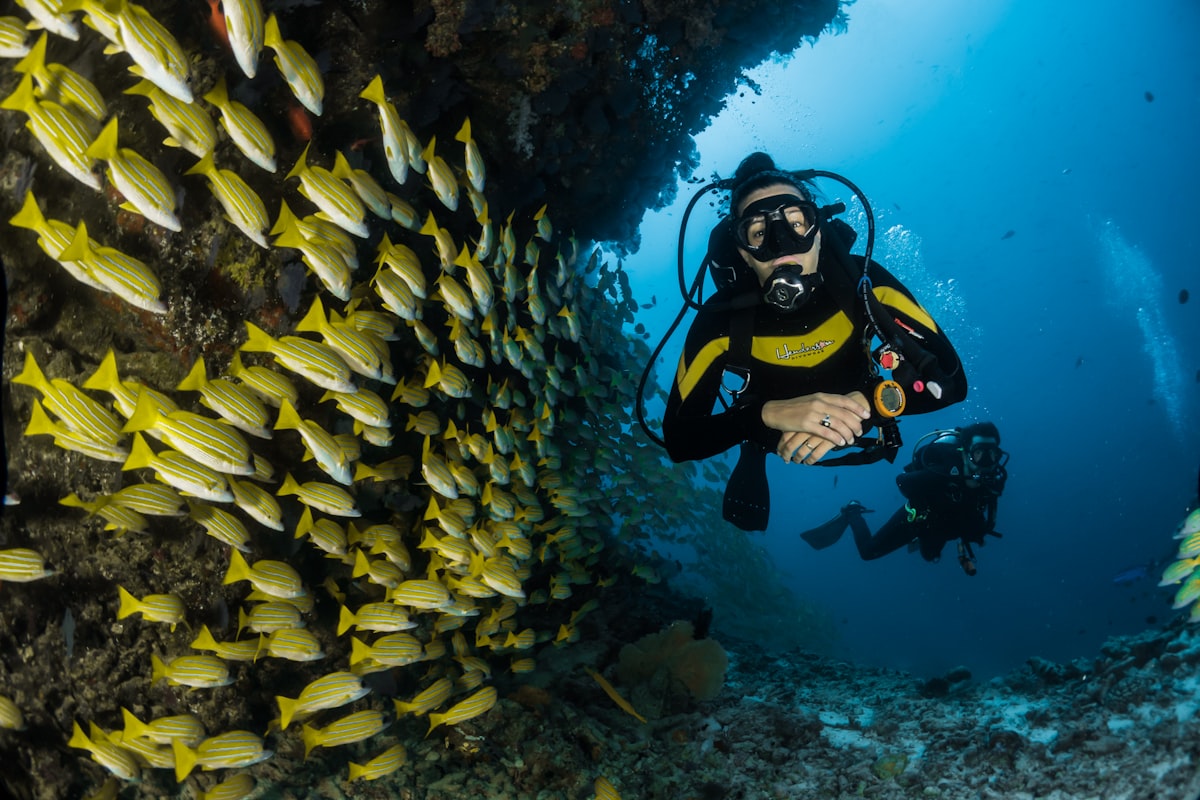
Introduction: Why Costa Brava is a Diver’s Paradise
The Costa Brava, stretching from Blanes to the French border along Catalonia’s northeastern coast, is not only famous for its stunning beaches and rugged cliffs — it is also home to some of the best scuba diving in the Mediterranean. With its crystal-clear waters, exceptional marine biodiversity, and dramatic underwater topography, the Costa Brava attracts thousands of divers from around the world every year.
Whether you are a beginner trying scuba diving for the first time or an experienced diver looking for challenging deep dives, Costa Brava has something for everyone. The region boasts over 20 official dive sites, ranging from shallow coral gardens perfect for beginners to deep walls, caves, and shipwrecks for advanced divers.
The Crown Jewel: Medes Islands Marine Reserve

Without question, the highlight of diving on the Costa Brava is the Illes Medes (Medes Islands) Marine Reserve. Located just 1 km offshore from the town of L’Estartit, this protected archipelago of seven small islands has been a marine reserve since 1983.
Why Medes Islands is Special
- Incredible biodiversity — home to over 1,500 marine species
- Exceptional water visibility — often exceeding 20-30 meters
- Protected status — fishing is prohibited, allowing marine life to thrive
- Accessible for all levels — dives range from 5m to 50m depth
- Year-round diving — water temperatures from 12°C (winter) to 26°C (summer)
Marine Life You’ll Encounter
The Medes Islands are teeming with life:
- Groupers (Merous) — some weighing over 40 kg, the stars of the reserve
- Barracudas — often seen hunting in schools
- Moray eels — hiding in crevices and rocky formations
- Octopus — commonly spotted during night dives
- Seahorses — in the seagrass meadows
- Large shoals of bream, damselfish, and sardines
- Lobsters and crabs — hiding among the rocks
- Rays and occasional sea turtles
Top Dive Sites in the Reserve
| Dive Site | Depth | Skill Level | Highlights |
|---|---|---|---|
| La Vaca (The Cow) | 5-30m | Beginner-Advanced | Massive grouper, caves, swim-throughs |
| El Pedral | 5-20m | Beginner | Colorful walls, seahorses, octopus |
| La Meda Petita | 10-40m | Intermediate | Deep walls, lobsters, barracuda schools |
| El Carall Bernat | 15-50m | Advanced | Vertical wall, big groupers, currents |
| Tascons | 5-25m | Beginner-Intermediate | Rocky formations, moray eels, rays |
Best Diving Spots Along the Costa Brava
1. L’Escala — Ancient Ruins Meet Crystal Waters
The area around L’Escala offers unique diving experiences combining archaeology with marine life. The Empuries site features Greek and Roman ruins just offshore, where you can dive among ancient amphorae while schools of fish swim by.
2. Lloret de Mar — Vibrant Reefs and Wrecks
Lloret de Mar may be famous for its nightlife, but its underwater offerings are equally impressive. The coastline here features rocky reefs and artificial reefs creating excellent habitats for marine life.
3. Tossa de Mar — Underwater Canyons
The waters off Tossa de Mar feature dramatic underwater canyons and walls that drop from 5m to over 40m. The water clarity here is often exceptional.
4. Roses and Cap de Creus — Pristine Wilderness
The Cap de Creus Natural Park offers some of the most pristine diving on the Costa Brava. Granite formations create fascinating caves and tunnels.
5. Blanes — The Gateway
Blanes, the southern gateway to the Costa Brava, offers excellent shore diving with easy access. Sa Palomera islet marks the official start of the Costa Brava coastline.
When to Go: Best Season for Diving
Costa Brava offers diving year-round, but each season has its character:
| Season | Water Temp | Visibility | Best For |
|---|---|---|---|
| Spring (Mar-May) | 12-18C | 15-25m | Fewer crowds, fresh marine growth |
| Summer (Jun-Aug) | 22-26C | 10-20m | Beginners, families, all levels |
| Autumn (Sep-Nov) | 18-24C | 20-30m+ | Photography, experienced divers |
| Winter (Dec-Feb) | 12-14C | 15-25m | Advanced divers, solitude |
Peak season is from June to September. However, September to October often offers the best visibility, exceeding 30 meters.
Diving Schools and Centers
Costa Brava has a well-established diving infrastructure with dozens of PADI, SSI, and CMAS-certified dive centers:
- L’Estartit (Medes Islands): Medes Diving Center, AquaSub, Centre de Busseig Illes Medes
- L’Escala: Escala Diving Center, K2 Diving
- Lloret de Mar: Scuba LLoret, Banyeta Diving
- Roses and Cadaques: Cap de Creus Diving, Sub Roses
Most dive centers offer equipment rental, air/nitrox fills, and guided dives. Prices range from 30-50 EUR per single dive to 150-300 EUR for Open Water Diver courses.
Diving Certification Courses
| Course | Duration | Price Range |
|---|---|---|
| Discover Scuba (Try Dive) | Half day | 60-90 EUR |
| Open Water Diver | 3-4 days | 350-500 EUR |
| Advanced Open Water | 2-3 days | 280-400 EUR |
| Rescue Diver | 2-3 days | 350-450 EUR |
Marine Conservation and Responsible Diving
The Costa Brava’s marine ecosystems are fragile and protected. As a responsible diver:
- Do not touch marine life or coral formations
- Maintain neutral buoyancy to avoid damaging the seabed
- Take only photos, leave only bubbles
- Use reef-safe sunscreen
- Support marine reserves by paying park fees
The Medes Islands Marine Reserve has seen fish biomass increase by over 300% since 1983 — one of the greatest success stories in Mediterranean marine conservation.
Essential Diving Tips
Equipment
- Wetsuit: 5mm for spring/autumn, 3mm for summer
- Dive computer — recommended for deep drops
- Surface marker buoy (SMB) — required for open water sites
- Underwater camera — vibrant marine life awaits
Safety
- Always dive with a buddy or guided group
- Check weather conditions before diving
- Stay within your certification limits
- Allow 24 hours before flying
Getting Around
- Most dive centers offer pickup services from nearby towns
- Car rental recommended for exploring multiple sites
- Barcelona Airport is 1-1.5 hours from most dive sites
Conclusion
The Costa Brava offers a truly world-class diving experience. From the spectacular Medes Islands Marine Reserve to the pristine waters of Cap de Creus, every dive reveals new wonders beneath the surface. Whether you are a first-time diver or a seasoned pro, this Catalan coastline is one of the Mediterranean’s top dive destinations.
Frequently Asked Questions
Q: Do I need to be certified to dive in Costa Brava? A: No. Many centers offer “Discover Scuba” experiences for beginners.
Q: What is the visibility like? A: Typically 10-30 meters depending on season. Autumn offers the clearest waters.
Q: Is the water cold? A: Water temperatures range from 12C (winter) to 26C (summer).
Q: Can I see sharks? A: Small sharks (like catsharks) are occasionally spotted. The main attractions are groupers, barracudas, and colorful reef fish.
Q: Are night dives available? A: Yes! Many centers offer night dives, particularly in the Medes Islands.